Extended Stay Hospitality: top extended stay hotels in america
Modern corporate mobility and long-term project deployments demand lodging architectures that transcend traditional nightly hotel rooms. When engineering teams, management consultants, and displaced corporate executives reside away from home for weeks or months, accommodation needs shift fundamentally. Residential living space, functional kitchenettes, reliable high-speed data infrastructure, and predictable weekly housekeeping become baseline requirements rather than luxury amenities. Consequently, identifying high-performing long-term lodging properties is essential for corporate travel procurement directors.
Evaluating long-term lodging requires looking beyond superficial consumer star ratings or generic promotional brochures. Treating extended-stay property selection as a casual reservation task masks underlying operational inefficiencies within corporate travel programs. Inflexible lease terms, inadequate workspace ergonomics, hidden utility fees, and poor inventory availability introduce friction that erodes employee well-being and project profitability. Therefore, enterprise leaders must construct rigorous evaluation frameworks for multi-week corporate lodging.
This reference manual provides an analytical examination of long-term corporate lodging operations across the United States. By exploring brand tiers, kitchenette configurations, tiered rate structures, and software integrations, this document offers practical guidance for corporate decision-makers. Organizations can apply these principles to identify the top extended stay hotels in america that protect capital while supporting mobile workers.
Understanding top extended stay hotels in america
Multi-Perspective Operational Breakdown
Evaluating the top extended stay hotels in america requires assessing long-term lodging through distinct financial, operational, and employee-centric lenses. Corporate finance directors evaluate properties based on length-of-stay tiered discounts, tax exemption thresholds, and direct billing integration. Conversely, traveling personnel prioritize suite ergonomics, kitchen completeness, pet policies, and neighborhood safety.
Strategic Alignment of Lodging Procurement
At an enterprise level, mastering long-term lodging involves embedding preferred extended-stay brand agreements directly into digital travel management portals. A robust program establishes corporate rate caps, mandates specific kitchen and workspace criteria, and utilizes virtual payment cards for automated invoice reconciliation. Enforcing these standards across all regional deployments eliminates billing discrepancies.
Overcoming Operational Oversimplifications
Oversimplifying long-term lodging by relying solely on consumer booking platforms for multi-week projects creates severe administrative vulnerabilities. Assuming that standard hotel rooms can sustain employee well-being during extended assignments leads to dining fatigue, burnout, and elevated project costs. True corporate mobility governance establishes direct relationships with established extended-stay brands.
Deep Contextual Background
Historical Evolution of Extended-Stay Lodging
Historically, corporate travelers on multi-week assignments stayed in traditional full-service hotels or leased short-term residential apartments through local real estate brokers. Full-service hotels lacked kitchen facilities, forcing long-term guests to rely entirely on expensive restaurant dining. Conversely, apartment leases required rigid multi-month commitments, complex security deposits, and individual furniture rentals.
Shift Toward Brand-Standardized Long-Term Suites
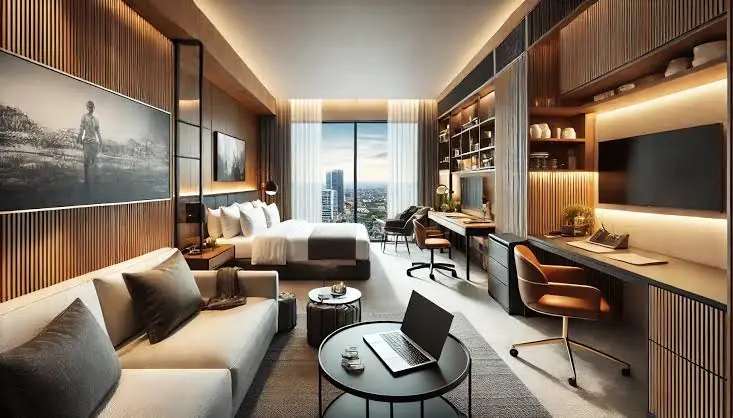
The emergence of dedicated extended-stay lodging brands during the 1980s and 1990s revolutionized corporate travel. Hospitality companies introduced multi-zone suites featuring full kitchens, dedicated work desks, and weekly housekeeping schedules specifically tailored for project teams. This innovation bridged the gap between residential apartments and traditional hotels.
Modern Integrated Long-Term Infrastructure
Modern extended-stay lodging architectures operate as connected digital ecosystems linking property management systems, corporate travel booking APIs, and enterprise resource planning software. Today’s platforms track length-of-stay milestones automatically, adjusting tax rates after state-mandated residency thresholds are met and transmitting master folios directly to corporate finance ledgers. Consequently, corporate travel managers oversee extended deployments proactively using live operational telemetry.
Conceptual Frameworks and Mental Models
The Lodging Selection Matrix
The Lodging Selection Matrix evaluates extended-stay options by comparing project duration against accommodation tier requirements. Short-term projects lasting one to two weeks utilize upper-midscale extended-stay suites with basic kitchenettes. Long-term deployments exceeding 30 days utilize upscale residential brands or corporate serviced apartments featuring full-sized appliances and multi-room layouts.
Prioritizing Lodging Resources
Applying this model helps organizations direct extended-stay housing budgets toward accommodations that match project duration. Long-term engineering deployments receive upscale residential suites, while short-term visits utilize efficient mid-scale properties.
The Tax Exemption Threshold Curve
The Tax Exemption Threshold Curve demonstrates how state and local lodging tax structures shift when continuous guest stays exceed statutory residency limits (typically 30 consecutive days in many U.S. states).
Capturing Statutory Tax Savings
Integrating statutory residency tracking into corporate booking platforms ensures finance teams capture tax exemptions automatically once stays cross state-mandated thresholds. This automated adjustment reduces lodging expenditures significantly for long-term projects.
The Autonomy-Governance Balance
The Autonomy-Governance Balance balances employee housing selection freedom against corporate financial oversight. Overly restrictive housing rules frustrate employees, while unmanaged spending on luxury extended-stay brands leads to budget overruns.
Achieving Workflow Efficiency
Achieving efficiency requires using travel platforms that apply spending guardrails automatically within booking tools. Presenting pre-approved extended-stay brand tiers and verified property options directly to travelers enables instant booking while maintaining firm financial control.
Key Categories and Structural Variations
Upper-Midscale Extended-Stay Brands
Upper-midscale extended-stay properties offer reliable, value-focused residential suites equipped with full kitchenettes, workspaces, and complimentary breakfast, serving core corporate project teams.
Evaluating Midscale Brand Trade-Offs
While upper-midscale brands provide exceptional value and consistent amenities across national footprints, their interior designs and common spaces lack upscale aesthetic touches.
Upscale Lifestyle Extended-Stay Properties
Upscale lifestyle extended-stay hotels combine residential apartment layouts with boutique hotel design, premium fitness centers, and social evening receptions.
Value of Upscale Lifestyle Properties
Renting upscale lifestyle extended-stay suites enhances employee retention and satisfaction during long-term assignments by providing inspiring architectural surroundings and high-end fitness facilities.
All-Suite Extended-Stay Resorts
All-suite extended-stay properties feature multi-room residential villas or suites with full-sized kitchen appliances, in-suite laundry, and resort-style pools.
Benefits of All-Suite Resort Housing
All-suite resort properties provide true residential living spaces for families undergoing corporate relocation or teams working on extended regional projects.
Serviced Corporate Apartments
Serviced corporate apartments represent leased residential properties managed by corporate housing operators, offering fully furnished multi-room apartments within residential neighborhoods.
Analyzing Serviced Apartment Utility
Deploying serviced apartments places employees directly inside residential communities, offering maximum square footage and domestic comfort for multi-month assignments.
Detailed Real-World Scenarios

Scenario A: Software Integration Team Deployment in Austin
A technology firm dispatches a six-person software engineering team to Austin for a 45-day client integration project, requiring reliable workspaces, kitchens, and high-speed internet access.
Executing Long-Term Team Lodging Logistics
The corporate travel desk books a block of six upscale extended-stay suites for 45 consecutive days, securing tiered long-term rates. The platform tracks cumulative stay durations, applying state tax exemptions automatically on day 30. This automated management lowers total project lodging costs significantly.
Scenario B: Executive Relocation to Chicago Headquarters
A senior executive relocates to Chicago headquarters, requiring temporary housing for 90 days while permanent residential real estate is secured.
Managing Temporary Executive Relocation
The human resources department secures a luxury serviced corporate apartment in downtown Chicago for the 90-day transition period. The fully furnished residence includes a pet-friendly policy, complete kitchen appliances, and dedicated parking, ensuring the executive settles comfortably while managing corporate leadership responsibilities.
Scenario C: Energy Sector Field Engineering Rotation
An energy company rotates engineering teams through a remote regional facility for six-month maintenance contracts, requiring standardized, cost-effective long-term housing.
Orchestrating Regional Engineering Housing
The procurement team establishes a master corporate agreement with an upper-midscale extended-stay brand near the regional facility. Standardized floor plans, free parking, and weekly rate tiers provide predictable, cost-effective housing for rotating engineering crews throughout the six-month maintenance cycle.
Planning, Cost, and Resource Dynamics
Direct Lodging Expenditures vs. Dining & Productivity
Evaluating extended-stay lodging requires comparing direct nightly room rates against indirect savings on dining allowances and productivity gains from residential workspaces. Direct expenses include nightly room tariffs, resort fees, parking charges, and pet deposits. Indirect savings include reduced per-diem food costs from in-suite cooking and enhanced work focus from dedicated desks.
Calculating Extended-Stay ROI
Investing in extended-stay suites rather than traditional hotel rooms delivers massive financial returns by lowering food per-diem costs through in-suite cooking and securing heavily discounted weekly rates. Demonstrating these savings helps finance leaders approve extended lodging budgets.
Tools, Strategies, and Support Systems
Deploying modern extended-stay lodging programs requires selecting appropriate booking software, corporate housing platforms, and financial support systems. Combining these tools creates a responsive framework that minimizes accommodation costs while keeping administrative overhead low.
Specialized Corporate Housing Platforms
Modern travel platforms aggregate extended-stay hotel brands, apartment complexes, and serviced housing operators into a single search dashboard. Broad market visibility ensures planners access competitive long-term rates while automatically enforcing company budget boundaries.
Virtual Credit Card Management Systems
Virtual card management platforms issue temporary credit card numbers for authorized lodging bookings. Each virtual card includes set spend limits, merchant category restrictions, and automatic expiration dates.
Enhancing Financial Control
Using virtual credit card credentials prevents unauthorized charges and simplifies invoice auditing for finance teams. Automatically matching card charges to approved extended-stay budgets eliminates manual invoice review.
Automated Tax Exemption Tracking
Tax tracking software monitors cumulative stay durations across extended bookings, calculating statutory tax exemption thresholds automatically and updating hotel folios to reflect tax-free status after 30 consecutive days.
Automated Accounting Software Connectors
ERP connectors transfer approved lodging expenses directly into accounting software in real time. Automatically assigning monthly room charges to correct departmental cost centers speeds up financial closes.
Risk Landscape and Failure Modes
Extended-Stay Risk Classification
Managing corporate extended-stay lodging requires identifying potential lease liabilities, property quality inconsistencies, tax compliance errors, and employee dissatisfaction. Inflexible lease terms, poor maintenance standards, unmonitored tax thresholds, and inadequate kitchen facilities expose companies to wasted capital.
Controlling Lease Liabilities
Lease liabilities occur when organizations sign multi-month residential leases for projects that terminate early, forcing companies to pay penalty fees for vacant apartments. Utilizing flexible extended-stay hotel brands prevents rigid lease commitments.
Preventing Quality Drift
Quality drift happens when regional extended-stay properties fail to maintain consistent cleanliness, high-speed internet reliability, or kitchen appliance functionality. Vetting properties through established corporate brand standards ensures consistent quality.
Capturing Tax Exemption Refunds
Failing to track cumulative stay durations can cause organizations to miss statutory 30-day tax exemption refunds, resulting in unnecessary tax expenditures. Automated tax tracking software eliminates this oversight.
Cascading Systemic Failure Patterns
Unaddressed extended-stay management risks can cascade quickly into severe operational and financial crises.
Mitigating Cascading Financial Risks
When operations teams sign rigid multi-month residential leases without cancellation flexibility, unexpected project terminations create massive financial liabilities. Establishing partnerships with extended-stay hotel brands featuring flexible length-of-stay terms prevents these compounding risks.
Governance, Maintenance, and Long-Term Adaptation
Effective extended-stay lodging governance requires regular brand reviews, rate card audits, and clear escalation protocols. Static housing guidelines become obsolete quickly as hotel rates shift, corporate housing inventories evolve, and company travel needs change.
Establishing Ongoing Governance Routines
Establishing structured governance procedures ensures extended-stay lodging guidelines remain realistic and effective over time. Travel managers should review brand performance metrics quarterly, adjusting preferred partner lists and rate caps to reflect market conditions. Annual audits of corporate housing platforms ensure software systems maintain high accuracy and data security.
Measurement, Tracking, and Evaluation
Evaluating extended-stay lodging programs requires tracking leading operational metrics alongside lagging financial indicators. Relying exclusively on end-of-month accounting reports prevents managers from catching service inconsistencies or cost inflation early.
Monitoring Leading Indicators
Leading indicators provide early signals regarding program compliance and housing quality. Tracking preferred brand adoption rates helps measure employee adherence to managed lodging channels. High tax exemption capture rates confirm that finance systems successfully secure statutory refunds.
Analyzing Lagging Metrics
Lagging metrics measure historical financial performance and budget control. Tracking total lodging expenditures, average cost-per-night, and employee satisfaction scores helps evaluate overall program efficiency. Comparing these metrics year-over-year highlights top-performing extended-stay brands and uncovers hidden cost drivers.
Combining Qualitative and Quantitative Insights
Combining quantitative expense reports with qualitative employee feedback provides an accurate picture of extended-stay program health. High satisfaction scores show that managed housing options support project productivity without causing administrative friction. Conversely, low satisfaction paired with rising lodging costs indicates that preferred brand contracts need re-evaluation.
Common Misconceptions and Oversimplifications
Myth 1: Traditional Hotels Offer Better Long-Term Value Than Extended-Stay Properties
Assuming that standard hotel rooms provide adequate comfort for multi-week projects ignores the physical and financial toll of lacking kitchen facilities, in-suite workspaces, and weekly rate discounts.
Myth 2: Residential Apartment Leases Are Always Cheaper Than Extended-Stay Hotels
While monthly apartment rent may look lower initially, factoring in furniture rental, utility setup, Wi-Fi installation, mandatory cleaning fees, and early termination penalties makes residential leases far more expensive for medium-term corporate projects.
Myth 3: All Extended-Stay Brands Provide the Same Level of Kitchen Equipment
Not all extended-stay properties feature full cooking appliances. Some budget brands offer only a microwave and mini-fridge, whereas top extended-stay hotels in america provide full cooktops, dishwashers, and full-sized refrigerators.
Myth 4: Tax Exemptions on Long Stays Happen Automatically Without Tracking
Failing to monitor cumulative stay durations across extended bookings prevents finance teams from claiming statutory tax exemptions after 30 days, resulting in unnecessary tax expenditures.
Ethical, Practical, and Environmental Considerations
Promoting Sustainable Extended-Stay Lodging
Integrating sustainability principles into corporate extended-stay lodging management supports corporate social responsibility goals while maintaining guest comfort. Selecting properties with energy-efficient appliances, recycling programs, and LEED-certified construction reduces environmental impacts.
Choice Architecture and Environmental Responsibility
Modern corporate housing platforms allow travel managers to prioritize eco-certified extended-stay properties, helping organizations meet Scope 3 carbon reduction targets. In-suite cooking also reduces the carbon footprint associated with daily restaurant dining and food delivery packaging.
Balancing Employee Well-Being with Fiscal Governance
Ethical extended-stay management requires balancing fiscal discipline with employee health and well-being. Placing employees in substandard, isolated housing during multi-month projects causes severe burnout and turnover. Well-designed lodging policies provide comfortable, well-equipped residential suites that support physical health and mental well-being over the long term.
Conclusion
Identifying the top extended stay hotels in america requires combining preferred brand partnerships, full kitchenette evaluations, statutory tax tracking, virtual payment controls, and rigorous vendor oversight. Moving away from traditional nightly hotels and rigid residential apartment leases toward an integrated extended-stay lodging strategy transforms corporate project housing into a secure, cost-effective, and comfortable business function.
Effective extended-stay lodging programs strike a balance between strict spend control, residential comfort, and operational flexibility. Organizations that review brand partnerships regularly, track statutory tax thresholds, and maintain continuous digital oversight protect both operating budgets and mobile project teams nationwide.
Corporate mobility management requires ongoing refinement as hospitality brands, booking technologies, and workplace structures evolve. Business leaders who treat extended-stay lodging as an essential strategic focus ensure their project teams remain productive, comfortable, and prepared for commercial success across the United States.