Strategic Professional Connections: Navigating Business Travel Networking Spots USA
Commercial mobility across major United States economic hubs functions as a primary driver of enterprise relationship building, capital allocation, and business development. While digital communication channels manage routine administrative exchanges, face-to-face engagements remain essential for finalizing complex acquisitions, establishing trust, and securing strategic partnerships. Consequently, professional interactions extend far beyond scheduled boardroom meetings into surrounding hospitality networks, executive lounges, and private commercial spaces.
Navigating physical environments to build professional relationships requires a deliberate, structured approach. Treating professional interaction spaces as casual social venues hides operational friction, acoustic vulnerabilities, and privacy risks. Uncoordinated venue choices can result in awkward ambient noise, poor digital connectivity, and security concerns during confidential negotiations. Therefore, corporate executives, business development leads, and corporate travel directors must systematically evaluate professional meeting environments to ensure effective relationship-building during business trips.
This authoritative reference manual provides an analytical evaluation of corporate connection environments across major United States economic corridors. By examining spatial categories, financial cost structures, security protocols, and relationship-building strategies, this document offers practical guidance for corporate decision-makers. Organizations can apply these frameworks to transform casual transit hours into high-return professional connection opportunities.
Understanding business travel networking spots usa
Multi-Perspective Operational Breakdown
Evaluating business travel networking spots usa requires analyzing physical relationship-building spaces through distinct financial, security, and operational lenses. Corporate sales leaders evaluate potential meeting venues based on executive density, industry relevance, and relationship conversion rates. Conversely, corporate security directors focus on acoustic privacy, data protection, and physical safety during high-stakes discussions.
Strategic Alignment of Professional Spaces
At an enterprise level, identifying effective business connection environments involves matching venue features with specific dealmaking objectives. A noisy airport restaurant may work for a quick introductory check-in, but it fails to support confidential merger discussions. Selecting appropriate meeting environments requires assessing spatial density, acoustic isolation, and access controls across different venue types.
Overcoming Operational Oversimplifications
Oversimplifying business connection spaces creates severe operational vulnerabilities for traveling executives. Assuming any high-end hotel bar or public lounge is suitable for strategic business conversations introduces significant risks of information leakage. True corporate spatial planning establishes pre-vetted venue networks, enforces conversation security guidelines, and aligns meeting environments with specific business goals.
Deep Contextual Background
Historical Evolution of Corporate Meeting Hubs
Historically, commercial relationship-building within the United States relied on formal private city clubs, traditional steak restaurants, and downtown hotel lobbies. These legacy venues provided structured environments where business leaders conducted confidential discussions away from public view.
Shift Toward Flexible Shared Workspaces
The expansion of mobile technology and open-plan offices during the 2010s broadened professional meeting choices. Co-working hubs, airport carrier clubs, and tech incubator spaces became popular alternatives to traditional private clubs. While these spaces improved access and digital connectivity, their open floor plans often compromised acoustic privacy for corporate travelers.
Modern Hybrid Commercial Spaces
Modern corporate connection networks combine private social clubs, boutique hotel lobbies, high-end airport suites, and specialized industry hubs. Today, leading business centers prioritize soundproof phone booths, encrypted fiber Wi-Fi, premium dining, and strict membership screening. Consequently, corporate travel managers treat professional meeting environments as essential business infrastructure rather than simple social venues.
Conceptual Frameworks and Mental Models
The Spatial Friction vs. Privacy Matrix
The Spatial Friction vs. Privacy Matrix evaluates professional meeting environments by balancing access ease against conversational privacy. Public hotel lobbies offer high accessibility but expose conversations to ambient noise and visual eavesdropping. Private city clubs provide complete acoustic privacy and security, though they require paid memberships and advance reservations.
Selecting Appropriate Meeting Venues
Applying this matrix helps corporate travelers choose venues that match the sensitivity of their discussions. High-privacy venues receive priority for confidential financial or legal negotiations. Conversely, accessible public lounges suit routine introductory meetings and informal industry catch-ups.
The Executive Density Curve
The Executive Density Curve measures potential relationship-building yield by tracking the concentration of decision-makers across different urban commercial venues. Financial district hotel lounges and specialized tech clubs demonstrate high executive density during morning and evening rush hours.
Target District Selection
Focusing activities within high-density commercial districts maximizes the value of business travel itineraries. Scheduling meetings at recognized business hubs increases the likelihood of high-value professional introductions and productive networking encounters.
The Ambient Noise Mitigation Equilibrium
The Ambient Noise Mitigation Equilibrium balances vibrant venue atmosphere against acoustic clarity. Overly loud venues force attendees to strain during conversations, creating fatigue and miscommunication. Conversely, excessively quiet environments can make participants feel uncomfortable discussing sensitive details openly.
Achieving Optimal Acoustic Conditions
Achieving effective communication requires choosing venues with managed acoustics, soft furnishings, and wide table spacing. Controlled acoustic environments allow travelers to conduct clear, comfortable business discussions without risking public eavesdropping.
Key Categories and Structural Variations
Private Metropolitan Member Clubs
Private city clubs offer exclusive, secure environments featuring private dining rooms, soundproof lounges, and vetted membership bases across major U.S. commercial centers.
Trade-Offs of Private Member Clubs
Private member clubs deliver unmatched privacy, security, and networking opportunities with senior decision-makers. However, high annual membership dues and dress code rules reduce flexibility for occasional business travelers.
Boutique Financial District Hotel Lounges
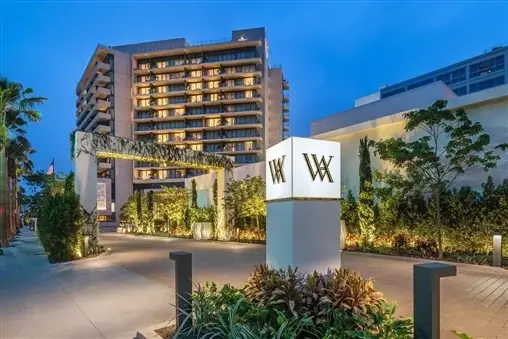
Boutique hotel lounges in major financial districts provide upscale, semi-private environments featuring spacious seating, subdued lighting, and discreet table service.
Value of Financial District Lounges
Financial district lounges provide excellent meeting locations for executive teams requiring high accessibility without formal club memberships. Central urban placements simplify logistics between corporate office meetings.
Flagship Airline and Transit Clubs
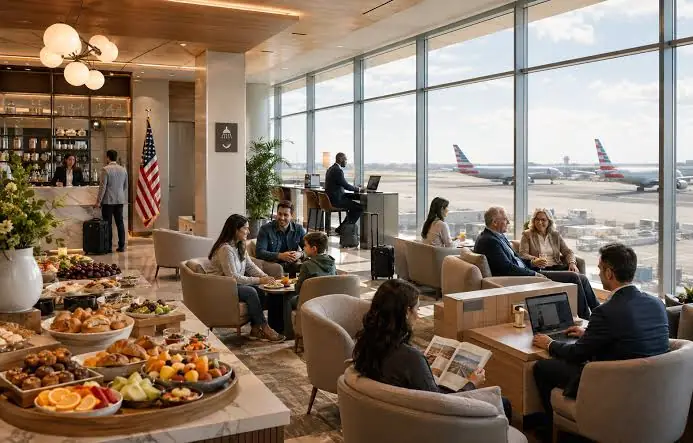
Flagship airline clubs at major U.S. hub airports feature dedicated business centers, quiet call pods, premium dining, and private conference rooms.
Benefits of Transit Clubs for Networking
Airline clubs turn layover downtime into productive relationship-building opportunities with fellow business travelers. Quiet business zones enable confidential phone calls and final prep work before client meetings.
Premium Industry Co-Working Venues
Premium co-working clubs focus on specific professional sectors, offering flexible day passes, shared work desks, event spaces, and hosted industry panels.
Analyzing Co-Working Networking Value
Industry co-working spaces offer dynamic networking opportunities for technology founders, investors, and creative professionals. However, open seating layouts require using private phone booths for confidential business calls.
Detailed Real-World Scenarios

Scenario A: Venture Capital Deal Negotiations
A managing partner at a venture capital firm meets an enterprise software founder to finalize a major funding agreement during a trip to San Francisco.
Executing Secure Deal Meetings
The partner books a private meeting room at an executive city club in the financial district. The soundproof suite allows the team to review term sheets securely without public distraction. Dedicated fiber internet supports encrypted document sharing, enabling seamless contract execution.
Scenario B: Cross-Border Client Expansion Meeting
A senior consultant travels to New York to host four international corporate clients for a strategy session and business dinner.
Managing Executive Hospitality
The consultant reserves a quiet table at an upscale midtown hotel restaurant known for wide table spacing and low noise levels. Central transit access allows international clients to arrive conveniently from different hotel locations. Master corporate account billing handles expenses seamlessly, eliminating payment friction at the table.
Scenario C: High-Frequency Sales Representative Travel
An account director visits Chicago for three days to conduct multiple prospect meetings across different city locations.
Optimizing Daily Travel Workflows
The director uses a premium co-working pass to access touchdown workspaces between prospect meetings across downtown Chicago. Soundproof phone booths provide quiet spaces for sales calls and CRM updates. Ending the day at an airport carrier club allows for productive work and casual networking before the return flight.
Planning, Cost, and Resource Dynamics
Direct Relationship Expenditures vs. Indirect Business Value
Evaluating corporate networking investments requires comparing direct venue costs against potential deal revenue and client retention value. Direct expenses include annual club dues, food and beverage minimums, venue rental fees, and co-working day passes. Indirect costs include travel time between locations, administrative booking effort, and expense auditing labor.
Calculating Networking ROI
Investing in high-quality professional meeting spaces delivers strong returns by increasing deal conversion rates and building client trust. Assigning value to closed business helps finance leaders justify corporate club memberships and executive dining budgets.
Tools, Strategies, and Support Systems
Deploying modern corporate networking strategies requires using specialized venue discovery apps, virtual payment systems, and administrative support tools. Combining these resources ensures traveling executives find secure meeting spaces quickly while maintaining clear expense tracking.
Specialized Executive Venue Discovery Platforms
Digital venue search engines aggregate private clubs, quiet hotel lounges, and executive dining options across major U.S. cities, helping corporate travelers book appropriate meeting spaces quickly.
Virtual Credit Card Payment Systems
Virtual card management platforms generate temporary payment card credentials for approved meeting and dining expenses. Each virtual card includes set spend limits, merchant category locks, and automatic expiration dates.
Streamlining Expense Management
Using virtual credit cards prevents card fraud and eliminates manual expense reporting for traveling executives. Automatically matching dining charges to approved client meetings simplifies corporate account auditing.
Acoustic Environment and Noise Mapping Apps
Noise mapping tools evaluate live sound levels and table density across popular corporate meeting spots, helping travelers avoid loud venues when planning confidential business discussions.
Automated ERP Accounting Connectors
ERP connectors feed approved corporate entertaining and networking expenses directly into accounting software in real time. Automatically assigning expenses to correct general ledger accounts speeds up monthly financial closes.
Risk Landscape and Failure Modes
Corporate Networking Risk Classification
Managing corporate networking activities requires identifying potential information leaks, physical security hazards, compliance violations, and financial waste. Public meeting spaces expose traveling executives to eavesdropping, corporate espionage, and unmonitored spending.
Preventing Information Leaks
Discussing sensitive corporate strategy or financial metrics in open public lounges exposes companies to eavesdropping and data theft. Travelers must use soundproof private rooms for all confidential discussions.
Ensuring Compliance Guidelines
Exceeding client entertainment spending limits can trigger corporate policy violations or regulatory penalties. Travel policies must clearly define allowable meal, beverage, and venue entertainment caps.
Managing Financial Spend Leakage
Unmonitored spending occurs when employees use unauthorized consumer apps or exceed personal travel budgets. Centralizing venue bookings through corporate tools maintains spend visibility and policy compliance.
Cascading Systemic Failure Patterns
Unmanaged networking risks can cascade quickly into severe corporate vulnerabilities and financial losses.
Mitigating Systemic Networking Risks
Holding sensitive business meetings in unvetted public venues can lead to data leaks that disrupt deal negotiations and harm corporate reputation. Pre-vetting meeting locations and enforcing strict conversation security rules eliminates these operational vulnerabilities.
Governance, Maintenance, and Long-Term Adaptation
Effective corporate networking governance requires regular venue list reviews, expense audits, and compliance checks. Static travel policies become outdated quickly as urban commercial districts change, new venues open, and corporate priorities shift.
Establishing Ongoing Governance Routines
Establishing structured governance routines ensures corporate networking activities remain secure, productive, and fiscally responsible. Travel managers should review preferred venue lists quarterly, removing loud or unsecure properties. Annual audits of club memberships verify that active accounts continue to deliver business value.
Measurement, Tracking, and Evaluation
Evaluating corporate networking programs requires tracking leading operational metrics alongside lagging business indicators. Relying exclusively on financial expense reports prevents managers from measuring the true relationship-building value of travel activities.
Monitoring Leading Indicators
Leading indicators offer early insights into relationship-building activities and venue compliance. Tracking the percentage of meetings hosted at pre-vetted venues helps measure privacy compliance. Positive acoustic feedback ratings show that selected venues support clear, comfortable business discussions.
Analyzing Lagging Metrics
Lagging metrics measure historical financial performance and long-term business outcomes. Tracking deal conversion rates from business trips, total entertainment spend, and average cost per client meeting helps evaluate program ROI. Comparing these metrics year-over-year highlights successful networking practices and uncovers hidden cost drivers.
Combining Qualitative and Quantitative Insights
Combining quantitative expense reports with qualitative feedback from traveling executives provides an accurate picture of program health. High satisfaction ratings show that selected venues build strong client relationships without creating safety or budget risks. Conversely, low satisfaction indicates that venue selection guidelines need updating.
Common Misconceptions and Oversimplifications
Myth 1: Any High-End Hotel Bar Is Suitable for Business Meetings
Assuming luxury hotel bars are automatically suitable for business meetings ignores ambient noise levels and privacy risks. Open public spaces expose sensitive corporate discussions to visual and acoustic eavesdropping.
Myth 2: Private Member Clubs Are Purely Excessive Corporate Luxuries
Viewing private city clubs as unnecessary luxuries ignores their value as secure, quiet business environments. Private clubs provide acoustic protection, reliable digital security, and executive access that public venues cannot match.
Myth 3: Networking Only Happens During Evening Dinners and Drinks
Commercial relationship-building occurs across diverse settings, including airport lounges, co-working spaces, and morning coffee meetings. Strategic travel planning utilizes open daytime hours to build professional connections efficiently.
Myth 4: Corporate Entertainment Limits Prevent Building Client Relationships
Reasonable spend caps and pre-approved venue guidelines do not hinder client relationship-building. Clear guidelines maintain corporate compliance while supporting professional hospitality.
Ethical, Practical, and Environmental Considerations
Sustainable Urban Transit and Venue Choices
Integrating sustainability principles into business travel planning benefits environmental goals and community wellbeing. Selecting venues accessible via public transit or walking reduces local carbon emissions and ground travel stress.
Choice Architecture and Environmental Responsibility
Choosing eco-certified hotels, restaurants supporting local sourcing, and venues with digital check-in systems helps companies meet corporate social responsibility goals. Supporting sustainable partners aligns corporate travel with environmental values.
Balancing Business Development with Compliance Governance
Ethical corporate networking balances active relationship-building with strict compliance governance. Overspending on lavish client entertainment raises legal risks under anti-bribery regulations. Well-designed travel policies set clear expenditure boundaries, protecting corporate reputation and financial integrity.
Conclusion
Understanding business travel networking spots usa requires combining strategic venue selection, acoustic privacy controls, modern payment systems, and clear risk governance. Moving away from unmanaged meeting choices transforms corporate travel networking into a secure, productive business development asset.
Effective corporate networking programs balance hospitality with privacy controls, quiet environments, and strict compliance oversight. Organizations that review preferred venue lists regularly, deploy virtual card controls, and protect conversation security build strong professional relationships while safeguarding corporate assets.
Corporate mobility management requires ongoing adaptation as urban commercial centers, technology platforms, and business environments evolve. Business leaders who treat networking spaces as critical business infrastructure ensure their mobile teams remain connected, secure, and ready for long-term commercial success nationwide.